Top Posters




Popular Content
Showing content with the highest reputation since 09/29/2025 in all areas
-
Note: This giveaway ended 11/12/25. With winter on the horizon, we’ve partnered with our friends at Alaska Gear Company to give away a pair of their new Bunny Boot VBX LITE winter boots in the color / size of the winner’s choice – a $259 value! These waterproof, cold weather-ready boots are comfort-rated to -5F with an integrated vapor barrier system that keeps moisture out and the wool felt insulation dry. This is all in a lightweight boot that won’t weigh down your winter travels and has been designed from the ground up for active use in cold winter conditions. To Enter: Just leave a comment below on this blog post and tell us where you’ll be taking your VBX LITE Boots this winter if you win! Giveaway ends 11/12/25 at 5PM Mountain Time. ***Giveaway ended 11/12/25.*** Sign in to your TrailGroove Account or if you haven't signed up yet register with a new account to leave a comment. One winner will be chosen at random from the comments on this post and will be contacted via email. One entry total per person – however if you’re a TrailGroove Premium Member (or sign up before the giveaway drawing) and leave a comment on this post before the giveaway ends, receive an automatic bonus entry (for 2X entries!) in the giveaway. Be sure to follow Alaska Gear Company on Facebook and on Instagram to learn more about their outdoor gear. Note that by entering this giveaway you’ll be signed up for both the TrailGroove Magazine and Alaska Gear Company email newsletters. Already subscribed? Don’t worry, you won’t be signed up twice. Good luck!2 points
-
Hi all, I just found TrailGroove online and it’s exactly the type of magazine/website I’ve been looking for. I live in Santa Fe, NM and do a ton of hiking and exploring, and after a two decade hiatus I’m getting back into backpacking. I’ve enjoyed reading through the last few issues of the magazine and look forward to more. Thanks!1 point
-
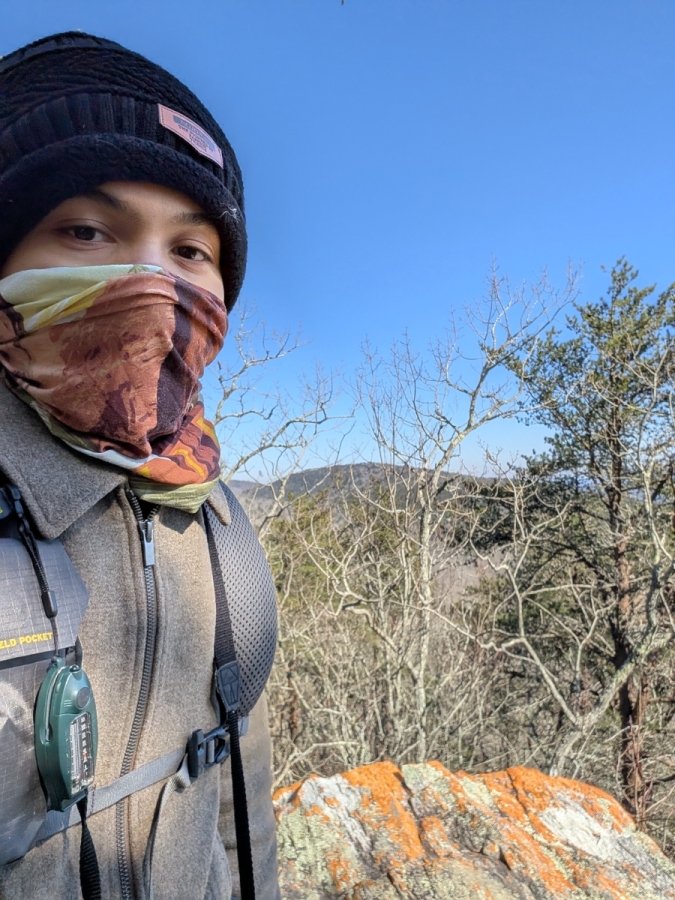
Hello everyone. I’m Carl, currently operating out of the Anniston/Oxford, Alabama area. Before moving here, worked as an engineer in Florida and was relatively outdoorsy being a kayak fisherman and occasionally camped on the spoil islands, also dabbled in rock climbing (boulder and top rope) for a year or two. However, as soon as I went into the Cheaha I instantly fell in love with the hiking! I'm using the Talladega National Forest and the Pinhoti as my local testing grounds to hopefully launch my backpacking career! I am looking to share information and experience in this community and hopefully get some expedition friends to take on some ambitious adventures in the future. Although if anyone is in the Cheaha, Talladega, or even within the 2.5 - 5 hr range into Georgia, Tennesee, and South Carolina, wants to do some weekend adventures let me know! I just know I do prefer hikes with a little bit more bite and gruel to them haha. Recent hikes I've done since start of this year: Cave Trail - Pinhoti Loop (13.5 mi, 2400 ft) Walls of Jericho (8.2 mi, 1,457 ft) A lot of Lake Cheaha loop rucking These are mostly training trips for an Olympic Peninsula (Hoh, Mt. Ellinor, Rialto) May adventure and Glacier National Park 6-day backpacking trip in July. I'm also eyeing Linville Gorge for a Sept/Oct adventure as well. Thanks for having me, looking forward to meeting you all!
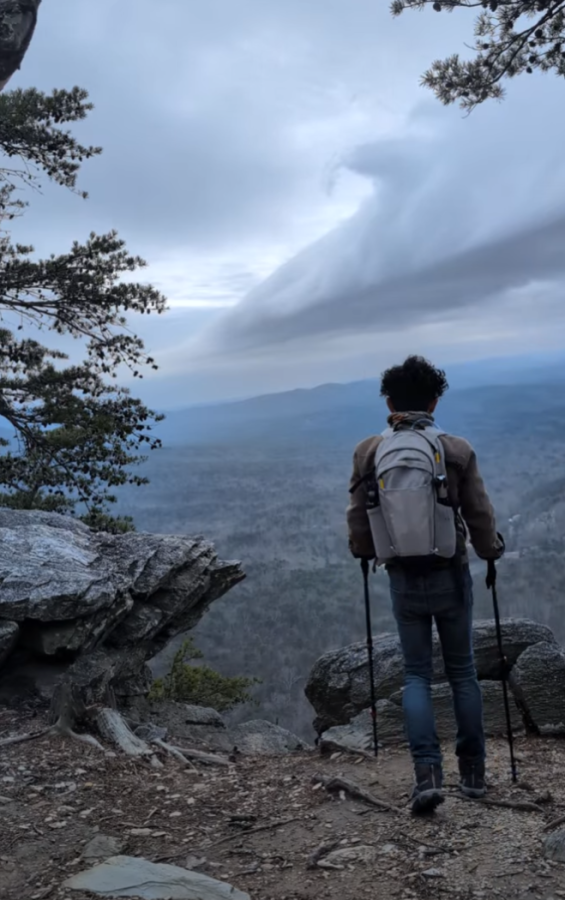
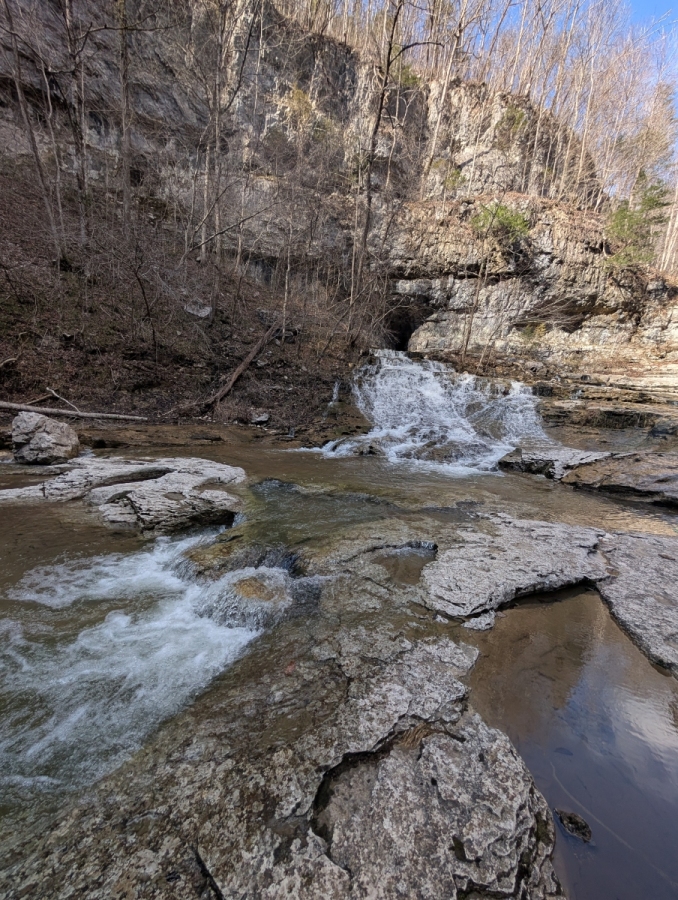
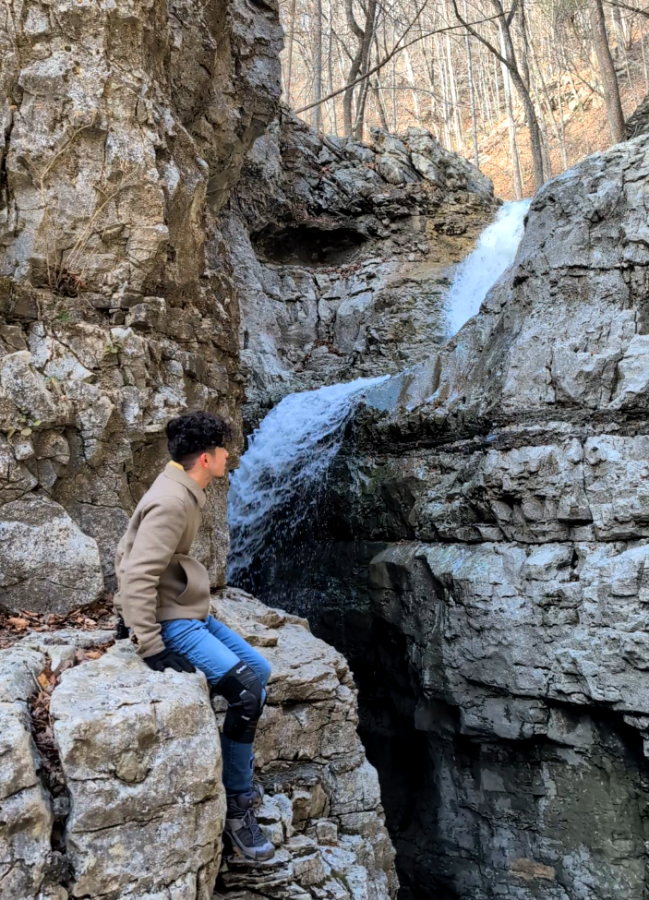 1 point
 -
Great photos Carl, and welcome to Trailgroove.1 point
-
So many great choices for sleeping pads today. I remember in the 80s it was basically the blue foam pad until the original Thermarest inflatible came out. That was an amazing upgrade at the time. I’ve had an REI Helix (4.9 R-value, 3” thickness) for the last couple of years that’s worked well. Can usually find it on sale throughout the year for less than $100.1 point
-
Yes! There are several entry points into the Pecos Wilderness near Santa Fe, the closest being from the ski area just outside of town, so I do a lot of hiking there. It’s a great area for day hikes as well as multi-day backpacking trips and peak bagging. I’ve also hiked sections of the CDT between central and northern New Mexico. Lots of good choices for sure.1 point
-
Shoes may be the most important piece of gear for hiking or backpacking. They are with us every step of the way, and we are relying on them to be steady and supportive. If we are thinking about shoes while hiking, it is usually because there is a problem. Maybe they don’t fit properly – too tight or too loose? Are they not grippy enough for rock slabs? Are my feet sore from feeling every rock on the trail? Instead, we want to count on them to provide the right level of support and comfort while getting us where we want to go. Finding the right shoes for hiking can be a real challenge, but it’s worth it to have shoes that we can rely on for every hike. Best Long Distance Backpacking and Thru-Hiking Shoes Many backpackers find that trail running shoes are a good and lightweight choice for hitting the trails day after day. For years, one of the most popular in this category has been the Altra Lone Peak ($145). With its natural foot shape, which gives plenty of room for your toes, as well as a 25mm stack height and zero drop, it is quite a comfortable shoe. It has a rock plate to protect your feet from rough trails, as well as an outsole with lots of grip. The current 9+ version has a Vibram outsole for even more grip. La Sportiva offers several suitable hiking shoes, including the Bushido III trail running shoe ($160), with a lower stack height for good control and ground feel. Be sure to try these on and make sure the foot shape works for you. Another option from La Sportiva is the Akyra II ($159), a rugged yet breathable shoe with extra grip in muddy and wet conditions. The Topo Athletic Traverse ($155) is a low drop option (5mm), that has a roomy toebox and 30mm stack height at the heel. There is a rock plate on the forefoot for protection against rugged terrain. One thing to note is that the midfoot can be a bit snug for those like myself with high arches, which makes the eyestay (area around the eyelets & laces) uncomfortable as it is stiffer than some other shoes. As always, you should try them on to see how they might work for you before heading out on a trip. Another long distance hiking option is the Saucony Peregrine ($150), with a comfortable fit and a rock plate in the forefoot and standard plus wide sizes. The toebox isn’t quite as wide as an Altra shoe, but it is wider than many others on the market. I found it to have a surprisingly cushioned feel with only 28mm stack in the heel and 24mm in the toe. Summary: Best Long Distance Backpacking and Thru-Hiking Shoes Altra Lone Peak 9+ La Sportiva Bushido III La Sportiva Akyra II Topo Athletic Traverse Saucony Peregrine 16 Best Waterproof Backpacking and Hiking Shoes Depending on the time of year, current weather conditions, and specific trails that are to be traversed, sometimes a waterproof hiking shoe is in order. Breathability is a trade-off for the water-proofing, so these shoes are not the best choice for a hot, summer hike on a mostly dry trail. These can be slower to dry after creek crossings and may keep your feet hot. However, in cold and wet conditions, they can preserve heat by keeping snow and rain out, as well as keeping body heat in. They can also be helpful in sandy conditions to keep the sand out. Water resistance becomes more important in a shoe during the shoulder seasons and when encountering moisture (whether in the form of rain or snow) combined with colder temperatures. Hoka has a good waterproof option with the Anacapa Low GTX ($180), and some hikers with narrower feet have said these fit them perfectly, while those with wider feet like myself might find them too snug. There is plenty of cushion, while still being a fairly lightweight shoe and has Vibram outsoles and GORE-TEX bootie construction. The La Sportiva Spire GTX ($219) is another popular choice with a GORE-TEX liner and a breathable upper. These shoes give the support and stability of a hiking boot, along with Vibram outsoles to provide excellent traction. They have an 11mm drop and are a bit heavy compared to other trail shoes (15.5oz per shoe), so these may not work for more ultralight hikers. However, they are very well rated for both breathability and waterproofness. When hiking on wet or snowy terrain, traction becomes all that much more important. While durability is always appreciated, sticky outsoles are a priority in these conditions (Lone Peak 9+ shown). Altra has a top choice in this category as well with the Lone Peak 9+ GTX Trail-Running shoes ($180). This shoe has a breathable, waterproof and windproof GORE-TEX Invisible Fit lightweight upper and Vibram Megragrip outsoles. It has the usual perks of an Altra shoe (wider toe box, zero drop, lightweight, etc.), but it is made to keep your feet dry in wet and muddy conditions. Summary: Best Waterproof Backpacking and Hiking Shoes Hoka Anacapa Low GTX La Sportiva Spire GTX Lone Peak 9+ GTX Best Maximum Cushion Hiking and Backpacking Shoes If you’re looking for more of a cushioned ride, shoes with a high stack height will be in order. While opinions are a bit mixed among the staff here at TrailGroove on the benefit of these types of shoes – there will always be the minimal vs. cushioned camps and discussion – if you’ll be hiking on more graded and maintained trails (on difficult terrain, lower stack heights will offer more stability) this category can be worth a look. Altra provides options in the maximum cushioning category including the Altra Olympus 6 ($185). This shoe’s shape is similar to the Lone Peak, with extra room in the toes, and of course it is zero drop. Unlike the Lone Peak, this shoe has no rock plate and instead provides several more mm of cushion along with a grippy Vibram outsole. These shoes became a favorite of mine while I was healing from an injury and required extra impact absorption, and I continue to wear them from time to time. In this category, Hoka is well-known for offering a wide array of comfortable shoes with plenty of cushioning that absorbs impact. Their top all-round choice is the Hoka Speedgoat 6 ($155) that has a 40mm stack height as well as Vibram outsoles for extra grip. The upper is made of breathable, lightweight materials. Topo Athletic offers the Ultraventure ($155), with plenty of cushioning and an Ortholite performance insole. It has a 5mm drop, a roomy toebox, and Vibram outsoles. It manages to stay lightweight (listed at 10.4oz each for Mens size 9), while using a proprietary midsole that claims to be springier than EVA with more rebound. Summary: Best Maximum Cushion Hiking and Backpacking Shoes Altra Olympus 6 Hoka Speedgoat 6 Topo Athletic Ultraventure Best Budget Hiking Footwear Options While your hiking shoes might not be the best place to save a few dollars, if you’re looking to hit the trail and must do so on a limited budget, take a look at these options for budget-friendly trail shoes. The ASICS Gel-Excite trail running shoes ($85) have plenty of cushion as well as a rear-foot gel technology that improves impact absorption for longer hikes. They may not be as rugged as other hiking shoes, making them not the best choice for technical terrain, but for daily hikes on easier trails, these shoes could be an affordable choice. One way to find the right treads for the trail is to watch for closeout deals on popular shoes and previous models, although finding the right size can be a challenge with this strategy. Another option is the DynaSoft Nitrel line by New Balance, which retails for $80. It is recommended for average foot widths and average arch heights, and has a fairly low heel drop of 6mm. It has an EVA foam insert for extra hiking comfort and is lightweight and versatile. Like the ASICS, the Nitrel shoe does not have the structure for technical trails (e.g. no rock plate), but it could do well for easy trails. A long-time provider of affordable outdoor gear, Columbia offers several hiking footwear choices including the Crestwood Hiking Shoe. The Crestwood is lightweight and versatile, with the shoe retailing for only $70, and offering a waterproof version and a mid-boot option ($90 and $100, respectively). Sometimes the trade-off for choosing a lower budget shoe is that you may have less durability. Make sure to also check the REI Co-op Outlet for clearance sales on some of the higher priced shoes, although sizes and styles will be limited. Summary: Best Budget Hiking Footwear Options ASICS Gel-Excite 2 New Balance DynaSoft Nitrel v6 Columbia Crestwood Hiking Shoes REI Co-op Outlet Shoes Women’s Backpacking and Hiking Shoes All the shoes listed here are available in both men’s and women’s versions. The features and technology used are generally the same for women’s shoes as they are for the men’s; however, sizing and styles/color options will differ. In general, the men’s version is created to be slightly wider than the women’s for a similar size. For example, Topo Athletic states that the standard men’s width is an E in the toe box and D in the midfoot/heel area, while the standard women’s width is a D in the toe box and a B in the midfoot/heel area. For women that need a wider width, a men’s shoe in the similar equivalent size may do the trick. Also, men that need a narrower fit particularly in the instep or heel, may wish to try a women’s size to see if it fits more perfectly. Conclusion Perhaps nothing is more personal in regards to hiking and backpacking gear than your shoes; everyone’s feet and preferences vary. That said, once you determine the category that works best for you (do you want to take the minimal approach, max cushion, or somewhere in between?) appropriate, well-built, and trail-ready choices do quickly become narrowed. The best hiking shoes will be the ones that you’re frankly not thinking about as the miles go by. In the end, try out as many shoes as you can – and comfort with acceptable durability is king when it comes to the best hiking and backpacking shoes that will work and be best for your upcoming hikes. For more on what to look for in general and categorized by hiking season, see our article on how to choose backpacking and hiking footwear. For a full selection of hiking and backpacking shoes check out this page at REI Co-op.1 point
-
Thanks Mac, and same to you! Hopefully there will be some great hikes in 2026 all around.1 point
-
I just wanted to take a minute to wish everyone Happy Holidays. Have a wonderful holiday season and a very Happy New Year1 point
-
I'm so excited that I won! Thank you so much! Cannot wait to receive the boots and wear them on my trail!1 point
-
Trailgroove premium member here! I would use them for snowshoeing in our local national park. Hoping cold feet will become a thing of the past!1 point
-
How fun! I'd consider using them at Mt. Rainier to snowshoe!1 point
-
Warm feet on my Midwest Ice Fishing Excursion1 point
-
Hiking three miles everyday, up and down hills, out in Yellowwood State Forest in Brown County, Indiana, often with a backpack for plein air painting. I have really struggled finding a truly waterproof boot for hiking. These boots look awesome!
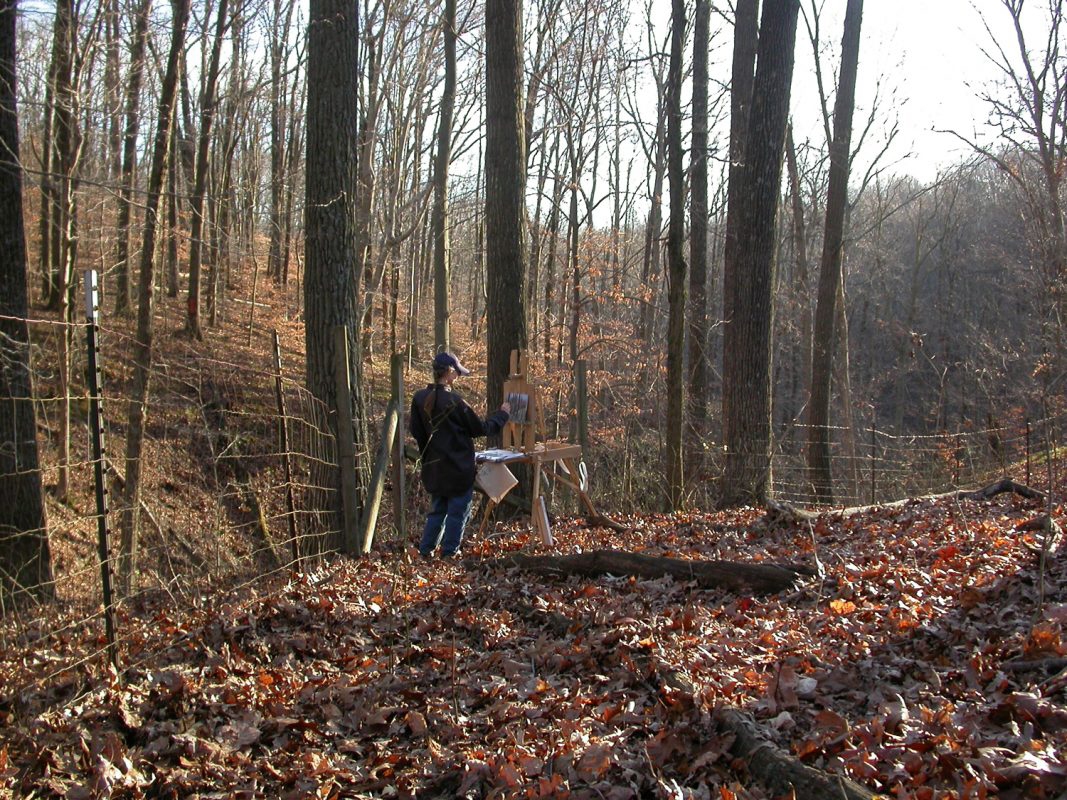 1 point
 -
Trekking Poles: I have 5,000km on a pair of Cascade Tech poles from Costco. Around $40USD and they have been delightful!1 point
-
Another Tennessean here. I'm over near the western part of the state, though, where it doesn't get cold enough to warrant Bunny Boots. BUT for years I have been yearning to explore Sapmi (the Sami name for what nonindigenous folks call Lapland). I've been pining for a pair of Bunny Boots ever since I heard that they are, with good reason, ubiquitous in Alaska.1 point
-
These boots will fit the bill perfectly as I'm stomping around in and around Fairbanks, AK. Alaska Gear Co rocks!1 point
-
Winter wanderings along the Massachusetts section of the Appalachain Trail. These boots could really help me anchor into my mantra of ‘Trust your feet.’1 point
-
I would use these boots during my winter hiking in the New Hampshire White Mountains. These waterproof mountain boots seem perfect for backcountry hikes and snowshoeing.1 point
-
What an awesome giveaway! I would absolutely use these boots when I visit my daughter in Steamboat Springs, CO. It's already snowing there, and there are trails there to explore, whether there's cold snowy ice or not! YEEHAW!!!
 1 point
 -
Cool sweepstakes! For me, these would go through the forested hills and low mountains of the Finger Lakes and Catskills regions of upstate New York.1 point
-
These boots look amazing and I’d love to put them to work with all my winter day hiking in north Idaho and eastern Washington! We recently started doing overnight backpacking, too, and I’m always looking to dial in that winter backpacking gear list. Hopefully these boots can help with that!1 point
-
This was a very helpful read for me. I live in Reno, So Tahoe is right next door. At 59 yrs old I have become obsessed with the PCT. But I don't know if it is for me. The TRT is going to be my adventure next summer!1 point
-
The 1969 trek can be typical of HI off trail hiking today. I can imagine what you endured. I soloed to the top of Mt. Wai'ale'ale through the Alakai Swamp and solo climbed out of Kalalau Valley from the near end of the Kalalau Tr to the Alakai Swamp/Koke'e SP areas. I look back thinking what managed risky endeavors they were. Try hiking from Hilo to the summit of Mauna Loa via the ML Tr and bush wacking(mostly) to the summit of Mauna Kea and back down to the Saddle Rd in one water starved brushy trek.1 point
-
Photography is almost always a priority for me - I plan my hiking destinations based on their photography potential. Therefore, 90% of the time it's a DSLR with a Cotton Carrier harness on my chest. Good system with quick access to the camera. I have added a couple of pockets for lenses and filters to the straps. Works for me!1 point